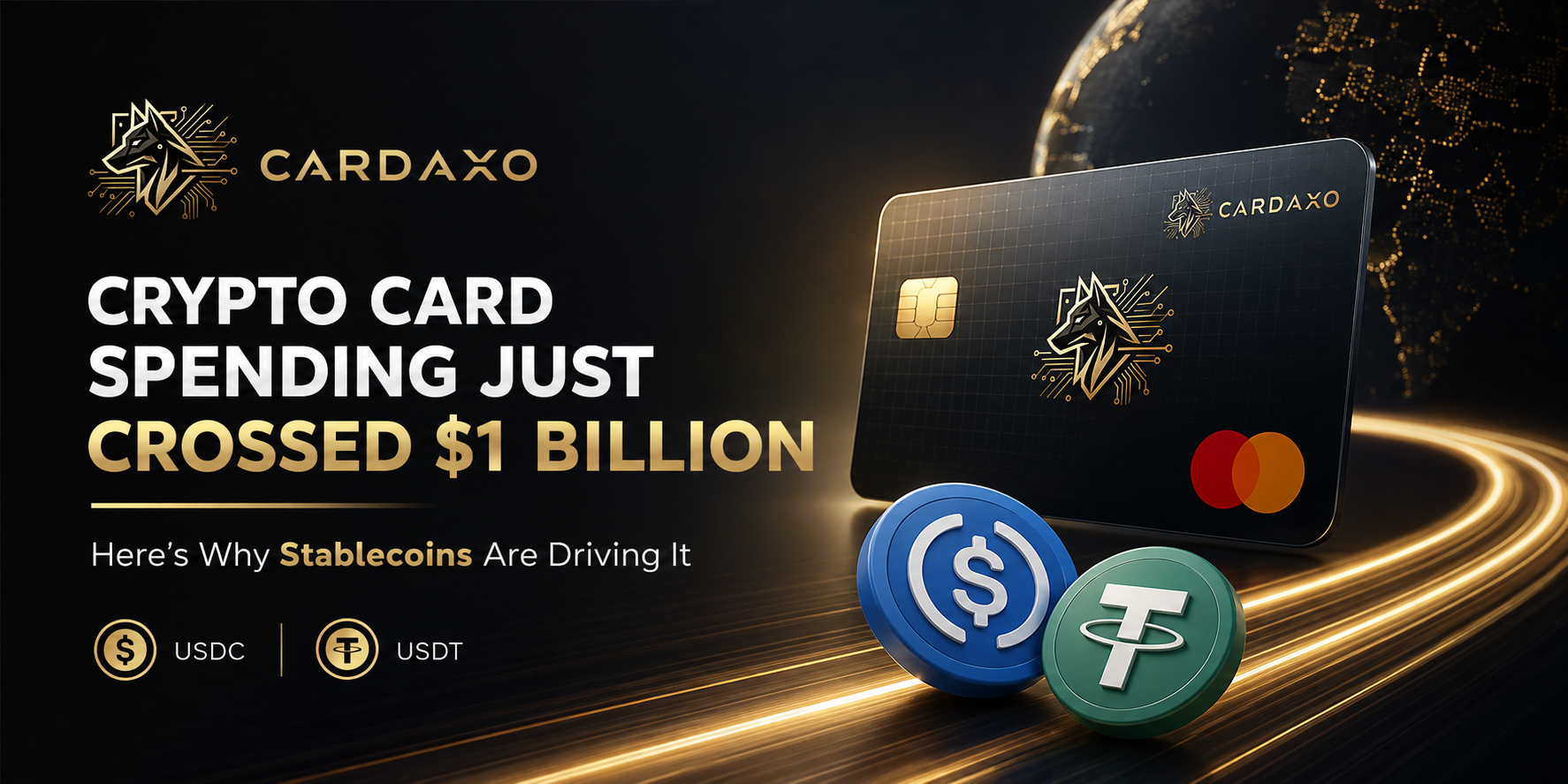
Something quietly significant has happened in the payments world this year: tracked crypto card spending has raced past the $1 billion mark, more than tripling compared to last year. That’s not a headline about token prices or market rallies. It’s a headline about behavior — about people choosing to actually spend their digital assets instead of simply parking them and waiting.
And when you look closely at who’s fueling this shift, one answer keeps surfacing again and again: stablecoins.
The $1 Billion Milestone, Explained
Card-tracking data now shows that crypto-funded card volume has more than tripled year over year, with USDC and USDT alone accounting for over 70% of that spending. In other words, the fastest-growing corner of crypto payments isn’t Bitcoin or Ethereum being swiped at checkout — it’s dollar-pegged tokens doing the heavy lifting.
This matters because it signals a maturing use case. For years, crypto adoption was measured in trading volume, wallet counts, and price charts. Now there’s a parallel metric worth watching: how much of that crypto is actually funding groceries, subscriptions, and everyday purchases.
Why Stablecoins Are Leading the Charge
A few reasons explain why stablecoins have pulled ahead of volatile assets when it comes to spending:
They remove the price-swing headache.
Nobody wants to check a chart before buying coffee. A token pegged to the dollar behaves the way money is supposed to behave — predictably.
They settle fast.
Where a traditional bank transfer can take a day or longer to clear, stablecoin transactions move in minutes, keeping pace with how quickly people expect payments to happen in 2026.
They act as a bridge, not a sacrifice.
Spending stablecoins doesn’t force anyone to liquidate long-term holdings like BTC or ETH at an inconvenient moment. Users can hold their growth assets while still tapping stable value for daily spending.
They’ve earned more trust.
After a stretch of regulatory clarity around stablecoin frameworks, users and merchants alike have grown more comfortable treating tokens like USDC and USDT as functional cash equivalents rather than speculative instruments.
From Groceries to Subscriptions: What’s Actually Being Bought
The old crypto story was about holding and hoping. This one is different. People are now covering rent-adjacent expenses, streaming subscriptions, food delivery, and ride shares directly through crypto-linked cards. It’s less “digital gold” and more “digital wallet” — a shift from crypto as an investment to crypto as a payment method.
This kind of everyday usage is exactly what turns a niche financial tool into mainstream infrastructure. Every time a stablecoin gets used to pay for a Spotify subscription instead of sitting untouched in a wallet, it chips away at the idea that crypto only exists for traders.
What This Means for the Future of Payments
Banks and card networks are paying attention, and for good reason. This isn’t happening in isolation — it’s part of a broader move toward stablecoin-based settlement across remittances, cross-border commerce, and institutional payment rails. As that infrastructure matures, consumer-facing tools that let everyday holders convert and spend stablecoins instantly become the natural front door for this entire movement.
None of this is a prediction about where token prices are headed — it’s simply a read on where usage patterns are trending. And usage, not speculation, is usually the stronger signal of what sticks around long-term.
Where Cardaxo Fits Into This Shift
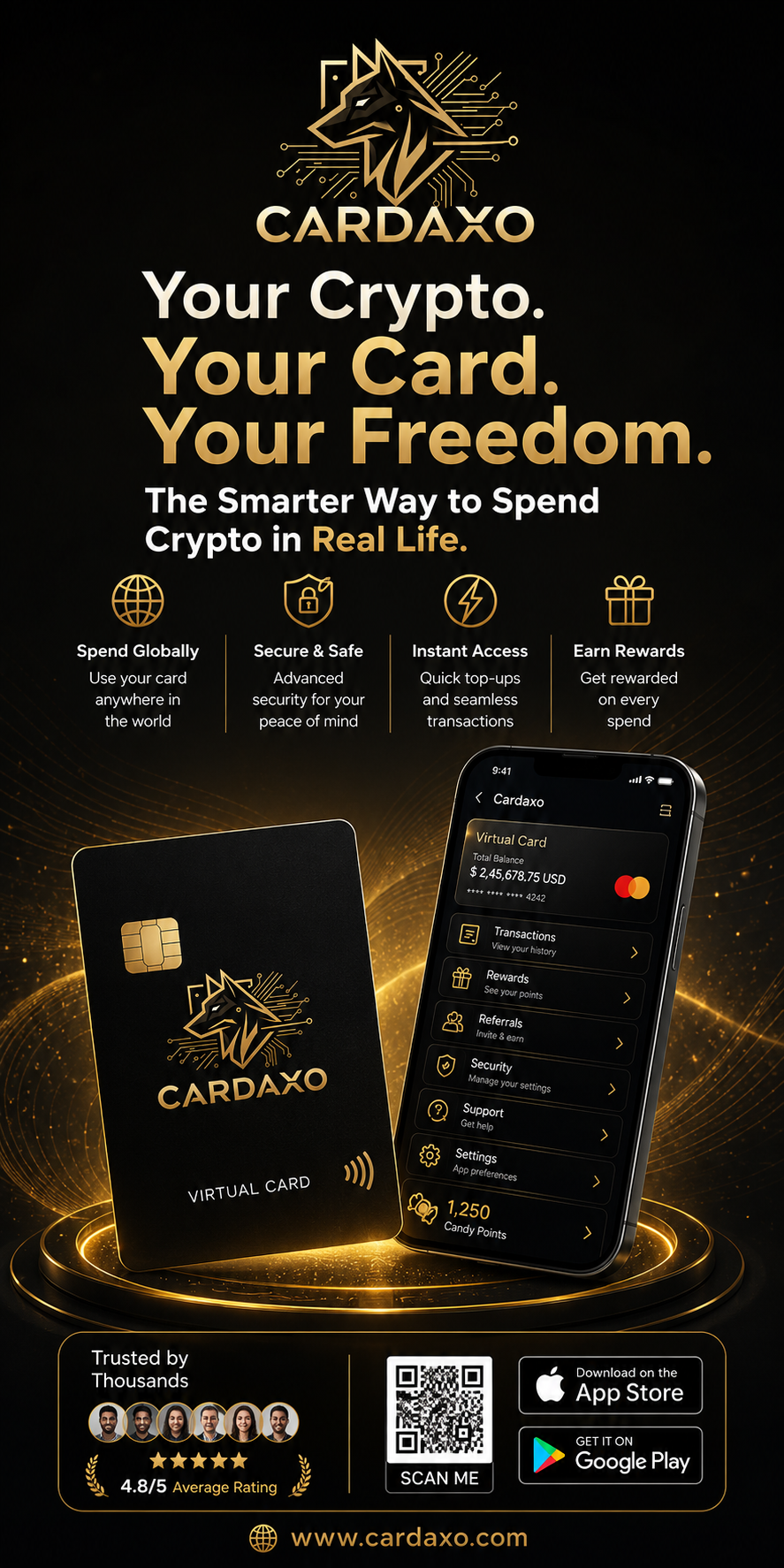
This is precisely the gap Cardaxo was built to close. Users can load their Cardaxo wallet with stablecoins like USDT or USDC, and the card converts that balance to fiat automatically, right at the point of sale — no manual selling, no watching exchange rates, no timing the market before buying lunch.
Every swipe also earns CANDY, the native coin of the Candychain network. This way the everyday spending habit that’s driving this billion-dollar trend feeds back into the Cardaxo ecosystem rather than disappearing into a transaction fee. Combine that with acceptance at 44 million-plus merchants worldwide and Apple Pay / Google Pay compatibility, and it’s easy to see why stablecoin holders are gravitating toward tools built specifically for spending rather than just storing.
If you want a deeper look at how this compares with other providers, our breakdown of Cardaxo vs Wirex vs BitPay walks through fees and rewards side by side. And if you’re brand new to the category, our complete guide to crypto debit and virtual cards is a solid starting point.
Frequently Asked Questions
What share of crypto card spending comes from stablecoins?
Recent tracking data puts USDC and USDT combined at over 70% of crypto-funded card volume, making them the dominant asset type for everyday spending compared to volatile coins like Bitcoin or Ethereum.
Is spending stablecoins through a crypto card taxable?
Tax treatment varies by country and can depend on whether a taxable event occurs at conversion. Check with a local tax advisor, since rules differ widely by jurisdiction.
Which stablecoins can I use on Cardaxo?
Cardaxo supports major stablecoins alongside other popular cryptocurrencies. Check the app for the full, current list of supported assets before loading your wallet.
Is spending stablecoins through a card as safe as using a regular bank card?
Reputable providers pair KYC verification, encrypted transactions, and real-time conversion to minimize risk. For a full breakdown of how this works on Cardaxo, see our guide on crypto card security.
What if my card gets declined while trying to spend stablecoins?
Declines usually trace back to incomplete KYC, spending limits, or compliance checks rather than the stablecoin itself. Our guide on common crypto card decline reasons covers quick fixes.
The Takeaway
Stablecoins are quietly rewriting what a “crypto card” is for. Instead of a niche tool for cashing out speculative gains, it’s becoming a daily payment method — one dollar-pegged transaction at a time. Cardaxo was built for exactly this moment: a place where holding stablecoins and spending them are no longer two separate steps, but one seamless tap.
Ready to put your stablecoins to work? Download Cardaxo and start spending crypto the way it was always meant to be used — instantly, anywhere, without the friction.
Read more – Bitcoin’s Latest Rally: How Cardaxo Turns On-Chain Profits Into Real-World Purchasing Power